In-house textile department: total control, continuous innovation
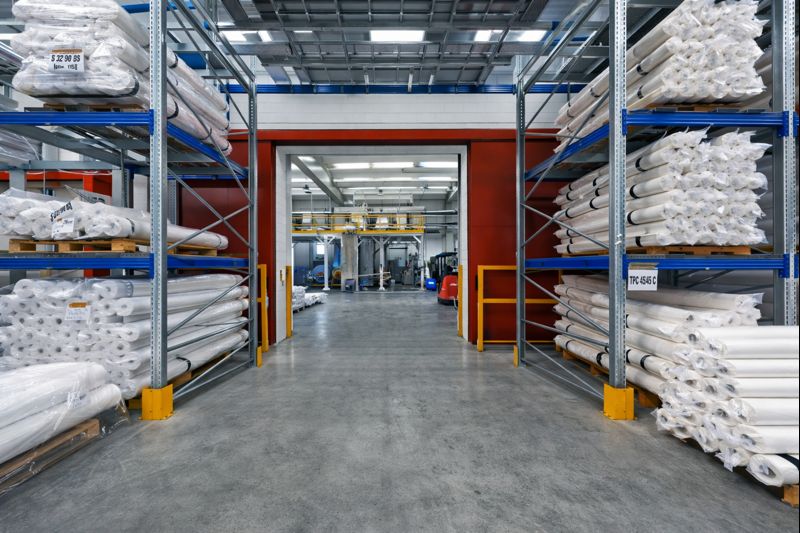
The establishment of an in-house textile department represents a crucial strategic step for Molina in its journey towards production verticalisation and technological innovation. This choice enables us to directly oversee all stages of fabric development, from design to production, ensuring high quality standards, design flexibility and rapid response to market demands.
Thanks to this integration, we are able to develop fully customised downproof fabrics, designed and manufactured according to specific client requirements, expected performance levels and different end applications, in both the clothing and home textile sectors.
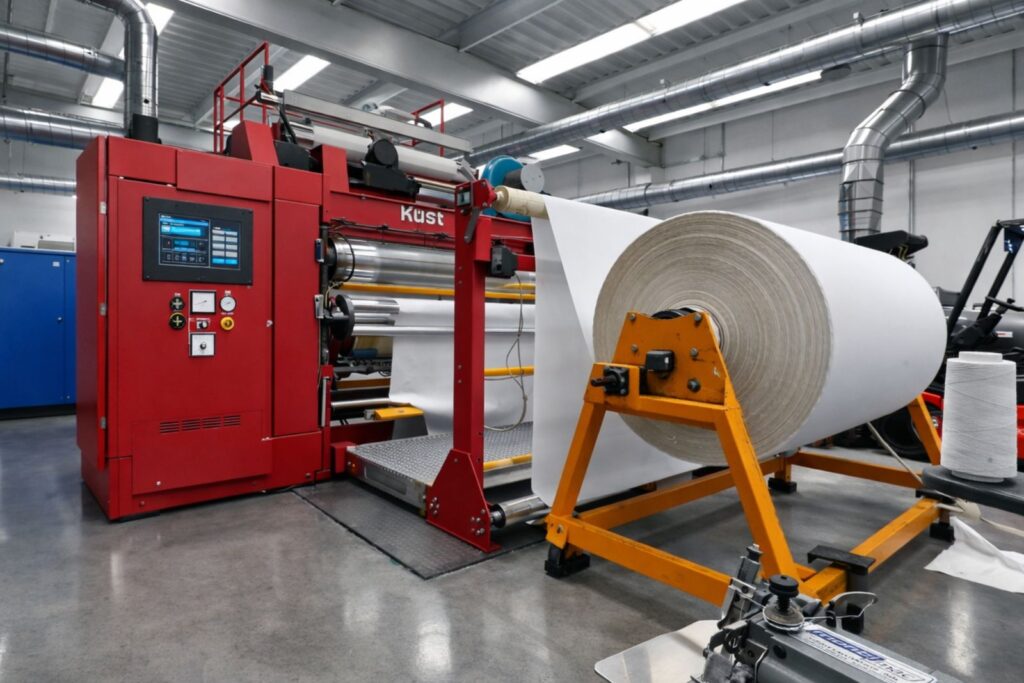
Textile Production
The department specialises in the manufacture of:
Polyester and nylon interlining fabrics for the clothing sector, designed to ensure high down-proof performance, lightness and strength
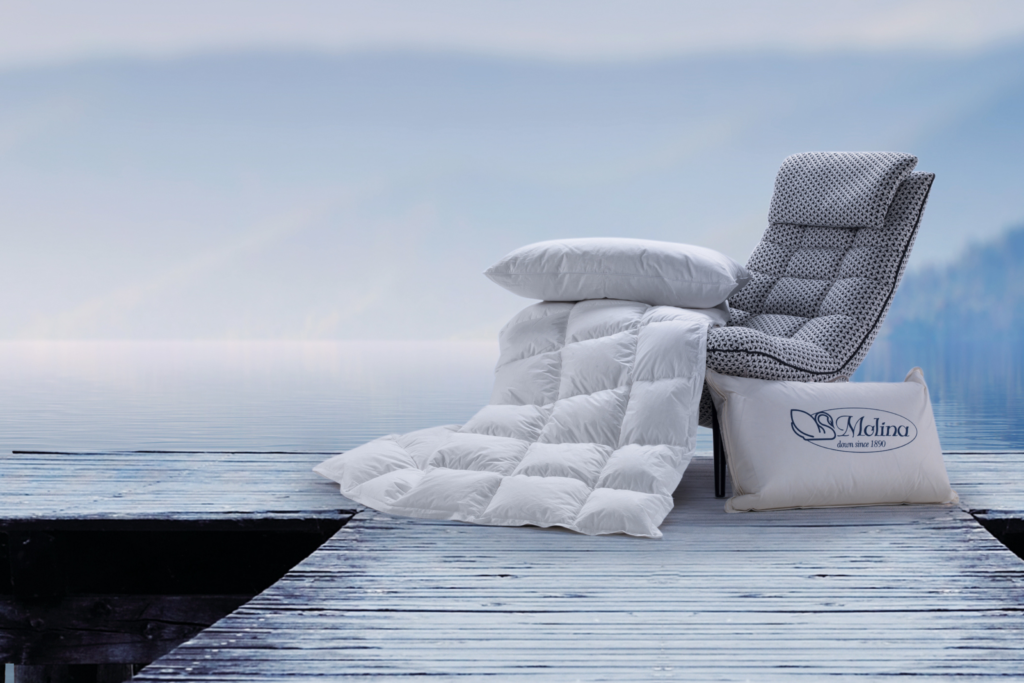
Cotton and poly-cotton fabrics for the furnishing and bedding sectors, with an optimal balance between comfort, durability and aesthetics
Each product can be developed to the client’s technical specifications, with adjustments to construction, yarn count, density and functional treatments.
Advanced quality control: certified reliability
To ensure the highest reliability of our downproof fabrics, we employ a special air permeability control method derived from the paper industry. This system enables real-time verification of the fabric construction during the production process, allowing constant performance monitoring and immediate intervention in case of deviations.
Only batches that rigorously pass these tests are released for production, ensuring maximum down-proof performance, quality uniformity and consistent performance.
Available Finishes
We treat our fabrics (natural, white and black colours) with special finishes such as:
Water-repellent
Flame retardant
Antibacterial
Customisation and Branding
To complement the offering, Molina provides printing services for customised logos and designs, actively supporting its clients’ branding and differentiation strategies. This integration helps reduce development times, optimise the supply chain and ensure consistency between the product, brand identity and target market.
A Choice Suited to Many Applications
Our downproof fabrics are particularly suited for: